Number plate finishes: standard, 3D and 4D explained
When you order a new set of number plates for your car, the choice of finish can feel surprisingly complicated. Most drivers know the legal requirements, white front, yellow rear, correct characters, no stylised fonts, but the physical look of the plate itself is less discussed. The finish determines how the letters and numbers sit on the plate, how they catch the light, and how the whole thing reads from a distance. Three main types dominate the market: standard flat print, 3D gel or acrylic characters, and the newer 4D layered effect. Each has its own feel, durability, and visual punch.
Standard flat number plates
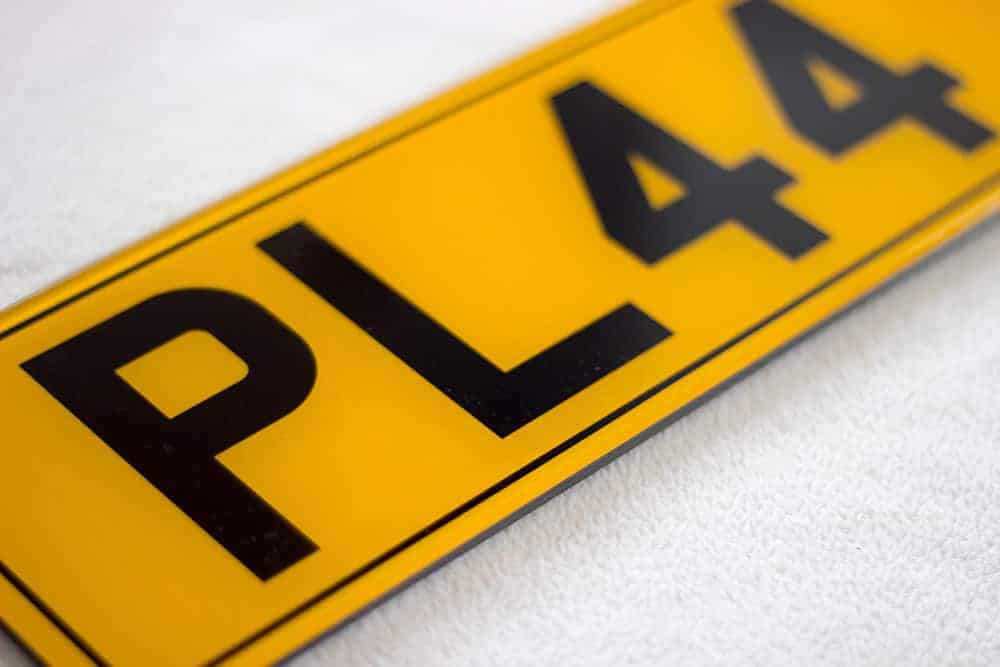
Standard plates are the baseline. The characters are printed directly onto the reflective backing using a thermal transfer process or, on older plates, applied as pre-cut vinyl lettering. There is no height difference between the character surface and the plate background. The lettering sits flush, giving a clean, uniform appearance that has been the norm for decades.
Because the characters are flat, they reflect light in the same way as the backing sheet. This keeps readability high in all conditions, bright sun, rain, or at night under headlights. The police and ANPR cameras have no trouble reading them, provided the spacing and font meet the regulations. Standard plates are also the cheapest option, which is why most factory-fitted plates use this method.
However, the flat finish has a plain look. There is no depth, no shadow, no tactile feel. For someone who wants their plates to stand out a little, standard printing can feel too ordinary. The characters can also fade or peel over time if the plate is poorly made, though a good-quality standard plate should last the life of the car.
3D number plates
3D plates use characters that are physically raised above the surface of the plate. The letters and numbers are made from a clear acrylic or gel resin that is domed on top. This dome shape catches light differently from the flat backing, creating a subtle highlight along the top curve and a shadow underneath. The effect is a more prominent, almost jewel-like appearance.
The manufacturing process involves cutting each character from a sheet of acrylic, then applying a coloured layer on the back before sealing it. The character is then bonded to the reflective plate. Because the character sits proud of the surface, it feels different to the touch, smooth and rounded, like a small lens.
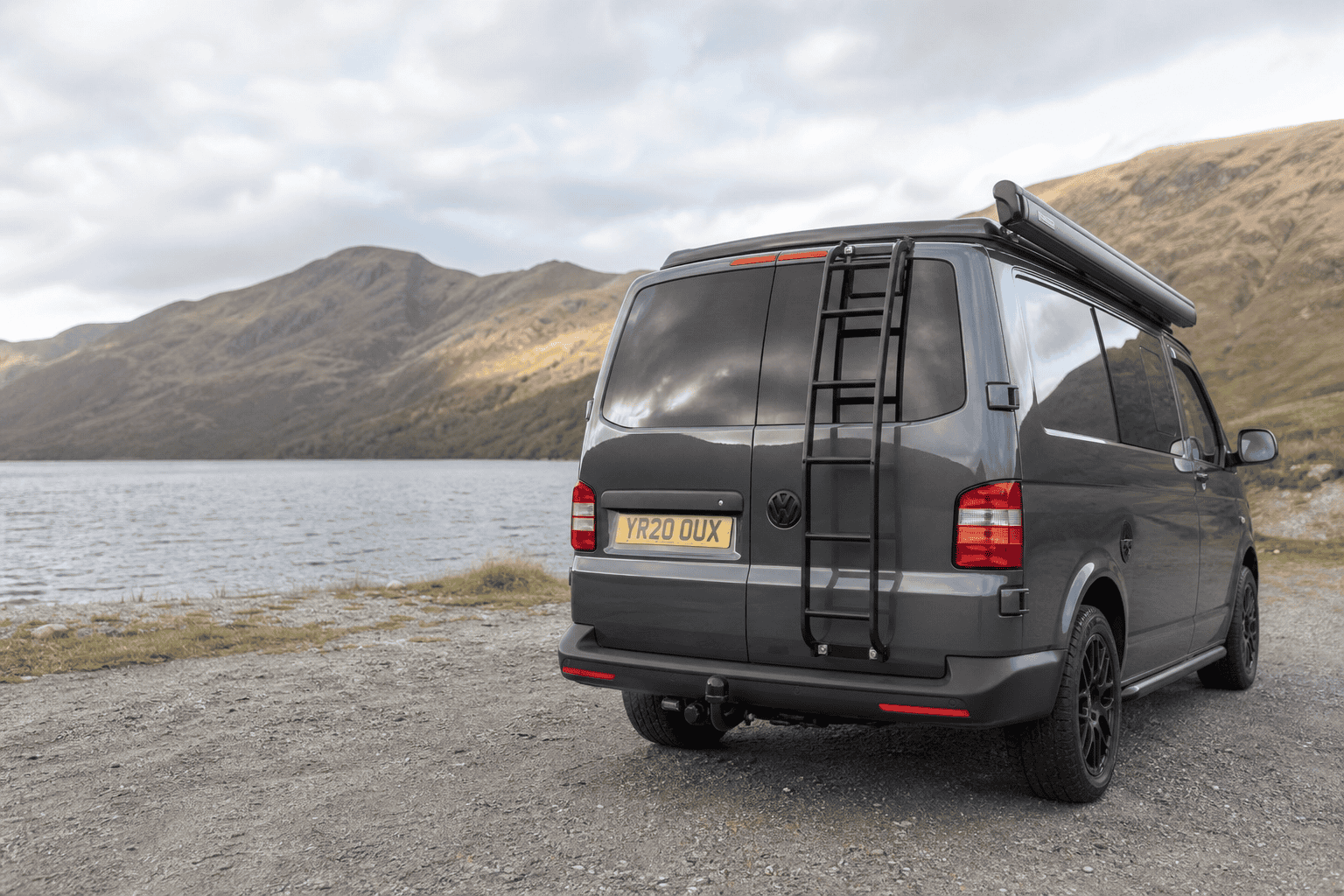
From a practical standpoint, 3D plates are still fully legal in the UK as long as the characters meet the required dimensions, spacing, and font (Charles Wright, the mandatory typeface for post-2001 plates). The raised profile does not interfere with readability, and ANPR cameras can read them without issue. However, the raised characters can be more vulnerable to damage if you use an automatic car wash or if something scrapes across the plate. The gel or acrylic can crack or detach if the bond fails, though modern adhesives are strong enough to last many years.
One thing to watch for is the thickness of the characters. The legal limit for character height is 79 mm for the front plate and 79 mm for the rear (though rear plates can be slightly different depending on the vehicle). The raised part must not push the total thickness beyond what the plate holder can accept. Most 3D characters add about 3-5 mm of depth, which is fine for standard holders.
4D number plates
4D plates are the latest evolution. The term "4D" is a marketing name rather than a technical standard, but it describes a specific construction: the characters are cut from a solid layer of acrylic, typically 3 mm or 5 mm thick, and then bonded to the reflective plate. Unlike 3D characters, which have a domed top, 4D characters have a flat front face and straight sides. They look like a solid block of clear acrylic with a coloured layer on the back, giving a sharp, modern appearance.
The flat face of a 4D character reflects light differently from a domed one. It produces a cleaner, more geometric look, with a distinct edge that creates a strong shadow. This makes the plate very readable from a distance, because the contrast between the raised character and the reflective background is pronounced. The effect is especially noticeable at night, when headlights catch the edge of each character.
4D plates are often described as having a "premium" feel. The thicker acrylic gives them weight and a solid tactile quality. They are also more resistant to fading than printed characters, because the colour is on the back of the acrylic, protected from UV and abrasion. The front face stays clear and glossy for the life of the plate.
There is a catch, though. The added thickness, up to 5 mm per character, means the plate may not fit in a standard number plate holder. Some cars have a recessed mounting area that cannot accommodate the extra depth. You may need to mount the plate directly onto the flat surface of the bumper, using adhesive pads, rather than using a screw-on holder. This is a simple job, but it is worth checking before you order.
How to choose between them
Your choice depends on what you value more: cost, durability, or appearance. Standard plates are the most practical and cheapest. They meet every legal requirement, they are easy to replace, and they cause no fitment issues. If you see number plates as a functional item that you do not want to think about, standard is the safe bet.
3D plates add visual interest without going too far. The domed characters catch the light and give the plate a more expensive look, but they remain subtle. They are a good middle ground for someone who wants a slight upgrade without making the plate look aftermarket. The gel or acrylic characters are durable, but they can chip if hit hard enough.
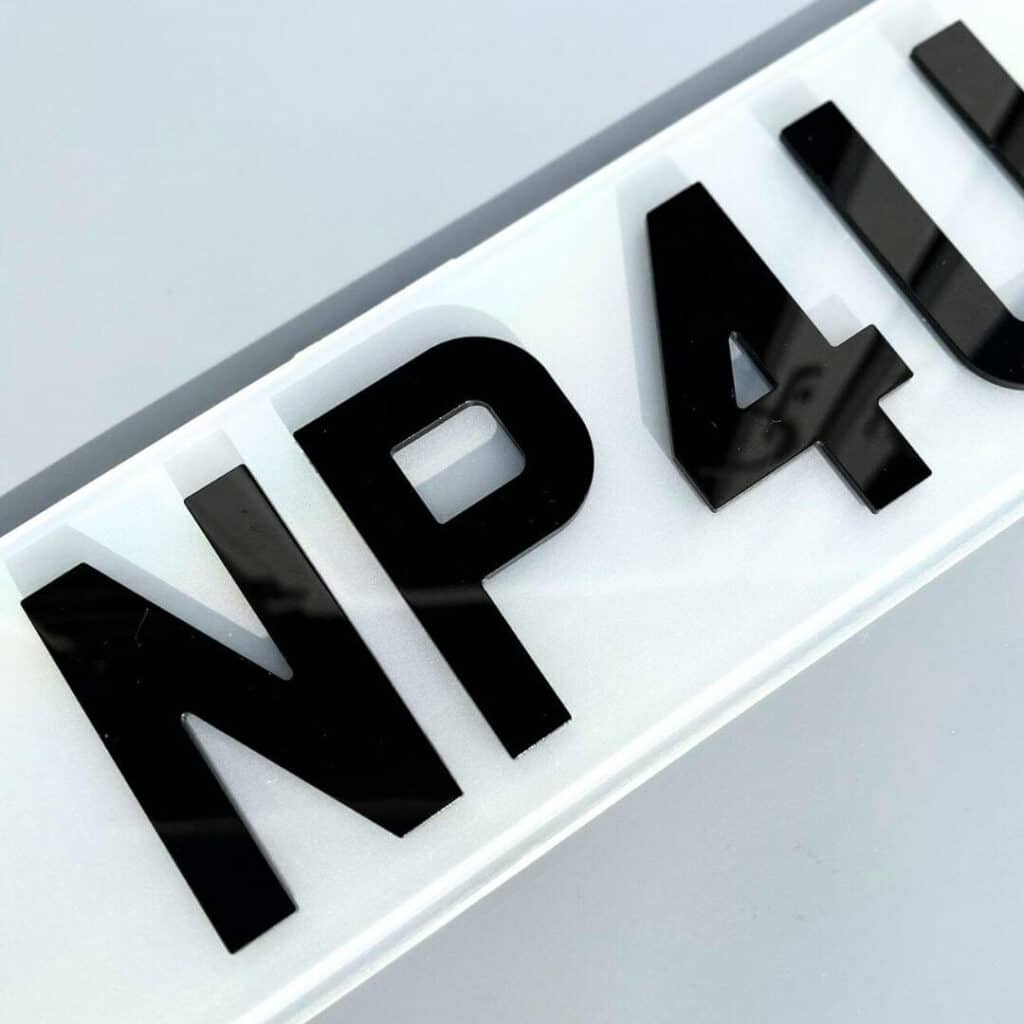
4D plates are the boldest choice. The flat-cut acrylic characters stand out clearly, and the construction feels premium. They are more expensive than the other two options, and they require a bit more care during installation because of the thickness. But for many drivers, the sharp, clean look is worth it. The characters will not fade or peel, and the plate stays readable for years.
What to check before you buy
Regardless of which finish you pick, there are a few things every plate must have to be road legal in the UK. The characters must be the correct font (Charles Wright), the spacing must follow the rules (no squeezing letters together to fit a shorter plate), and the plate must show the British Standard mark (BS AU 145e or the newer BS AU 145f) along with the supplier's name or trademark and the postcode of the supplying outlet. The reflective backing must meet the standard for colour and reflectivity.
You can order plates online from a supplier that is registered with the DVLA. They will ask for proof of your entitlement to the registration number, typically a V5C logbook, a new keeper supplement, or a retention certificate, before they make the plates. This is a legal requirement, not an optional step. A reputable supplier will not skip it.
One supplier that offers all three finishes is numberplatemaker.uk. Their online system lets you preview how the plate will look before you order, and they offer standard, 3D, and 4D options. The site explains the differences between the finishes so you can decide which suits your car and your budget. As with any supplier, you will need to provide your documents before they can produce the plates.
If you are unsure which finish to choose, think about the car itself. A modern car with sharp body lines often suits the geometric look of 4D plates. An older car or a classic might look better with standard plates, which match the original factory appearance. 3D plates work well on almost any car, because the domed characters add a touch of depth without looking out of place.
Also consider how you wash the car. If you use automatic car washes regularly, the raised characters on 3D or 4D plates may be more likely to catch on the brushes. Hand washing is gentler on any plate, but especially on those with raised characters. If you prefer the convenience of a drive-through wash, standard plates are the safer choice.
Legal notes and common myths
There is a persistent myth that 3D or 4D plates are illegal. This is not true. The law does not ban raised characters, as long as the characters themselves meet the required dimensions and the plate as a whole passes the British Standard. The only banned finishes are those that use a reflective or tinted background that reduces contrast, or characters that are not black on a white or yellow background. A 3D or 4D plate with black characters on a reflective white or yellow backing is perfectly legal.
Another myth is that 4D plates are always thicker than 3D ones. In practice, the thickness depends on the acrylic used. Some 3D gel characters are quite thick, while some 4D characters use a thinner acrylic layer. The difference is more about shape, domed versus flat, than about overall depth.
The key is to buy from a supplier that uses the correct font and spacing. A poorly made plate, whether standard or raised, can fail an MOT or attract a police fine. The finish does not affect legality; the dimensions and font do.
Making your choice
Number plates are one of the few parts of a car that you see every time you walk up to it. They are also one of the few that have a legal requirement attached. The finish you choose affects how the car looks, how the plate wears over time, and how easy it is to keep clean. Standard plates are reliable and low-maintenance. 3D plates add a subtle depth that catches the eye. 4D plates give a sharp, modern appearance that stands out clearly.
There is no wrong choice, as long as the plate meets the legal standards. Take a look at the options available from a supplier like numberplatemaker.uk, check the dimensions against your car's mounting area, and pick the finish that feels right for you. A well-made plate, whatever the finish, will last for years and keep your car looking its best.